Fine Line: the natural choice
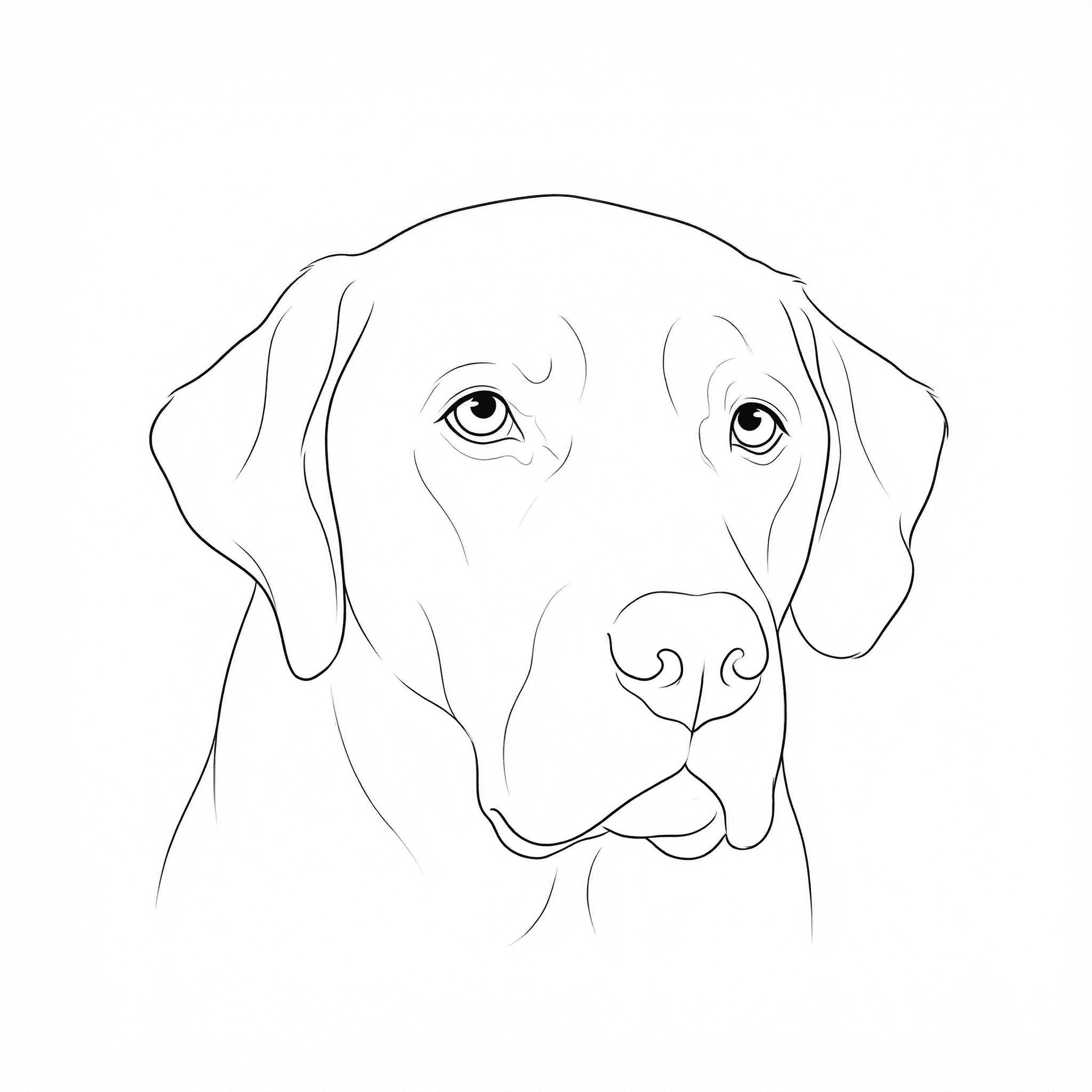
The Lab's short, dense coat translates cleanly to fine line. There is almost no feathering to manage, so your artist can focus on the eyes, muzzle proportions, and expression.
A Lab tattoo should feel like your Lab, not a generic dog portrait. The paradox: this breed is technically easy to ink, but hard to make unmistakably personal.
Overall difficulty: 4.1/10 (medium)
Labs are simple in structure and coat, but silhouette ambiguity is high. If expression is off, the tattoo reads as "a dog" instead of your dog.
Easy to ink. Hard to make unmistakably personal.
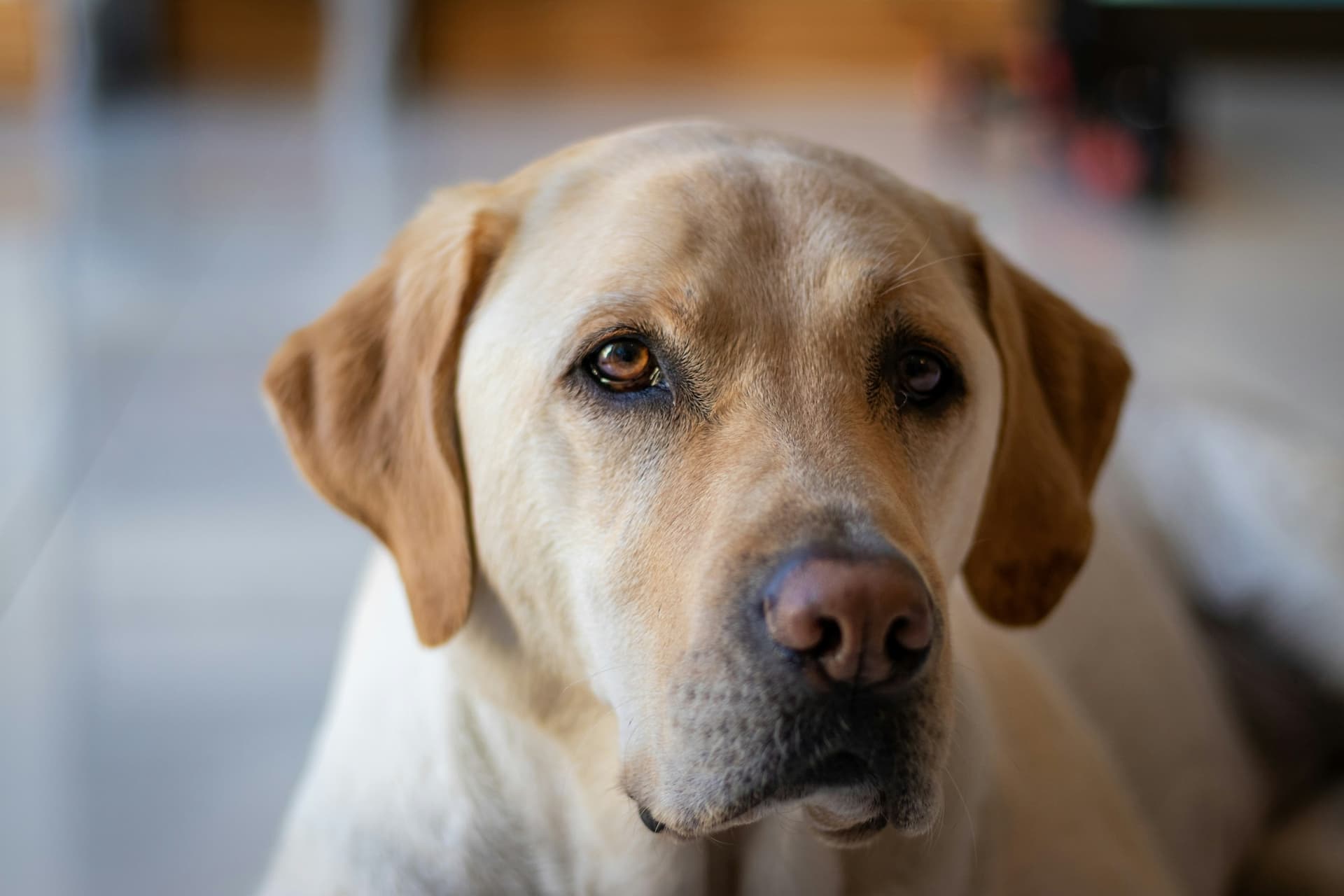
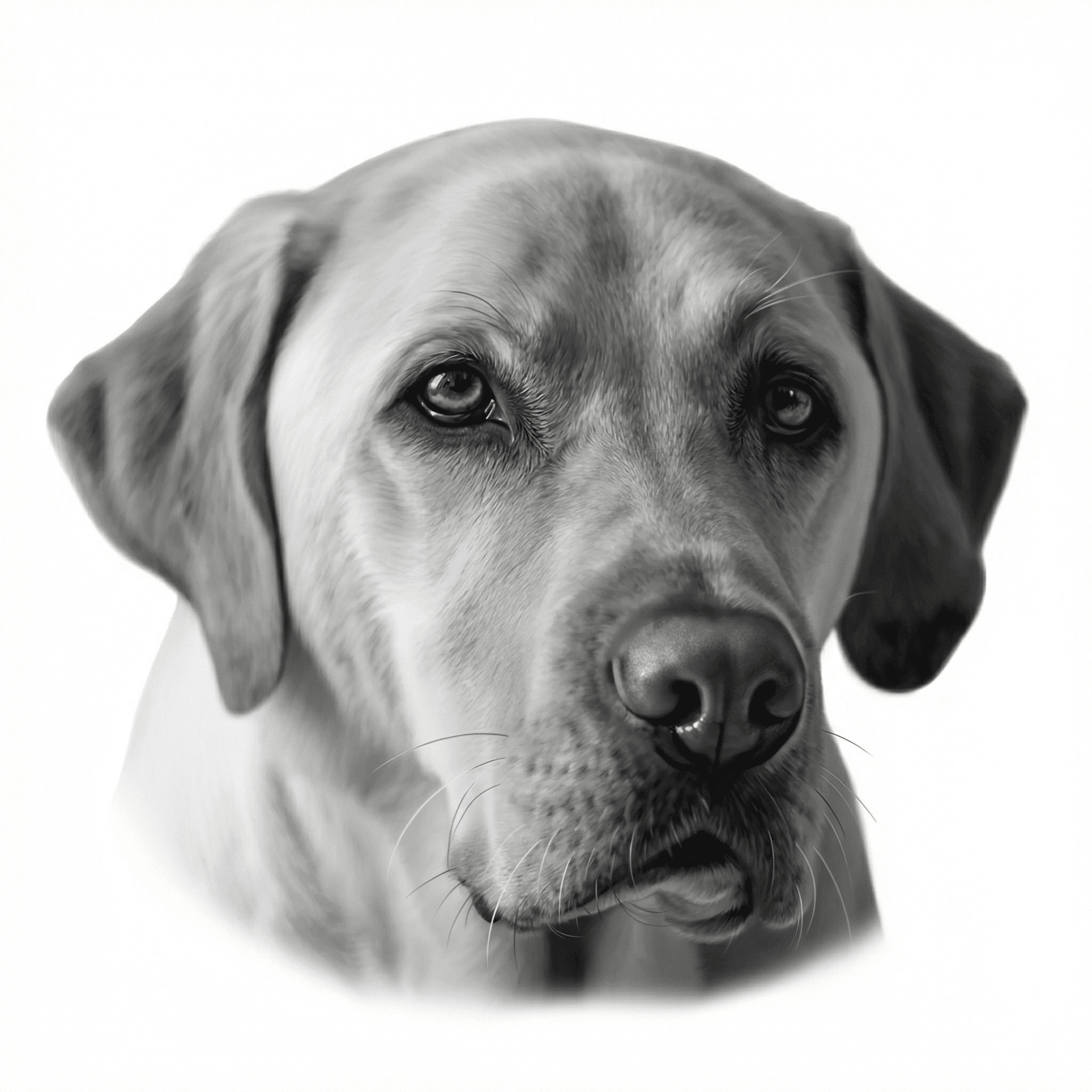
The Lab's short, dense coat translates cleanly to fine line. There is almost no feathering to manage, so your artist can focus on the eyes, muzzle proportions, and expression.
Minimalist can work on Labs if you anchor identity with head shape, ear set, or the otter tail in profile. It works only if you prioritize expression and silhouette anchors over coat texture.
Black Labs can produce strong high-contrast blackwork results. Keep facial highlights around eyes, muzzle, and ears to avoid a flat silhouette.
Watercolor is less natural on Labs than on longer-coat breeds. It can still work on lighter yellow Labs, but usually needs a larger canvas to age cleanly and preserve structure.
Labrador Retriever lands at 4.1/10: medium tier, but misleading at first glance. Surface and face are easy. The real challenge is identity: preserving your specific expression in a breed with very few visual shortcuts.
Short, straight, dense coat. Very little texture burden for the artist.
Structure is clean and moderate. The hard part is expression, not anatomy.
Black, yellow, and chocolate coats are mostly uniform with minimal markings.
Outline alone often reads as “generic dog” unless key identity anchors are present.
Ear set matters more than complexity: too high or too low shifts breed impression.
Our recommendation
📐 Size: 2.5+ in (6.4+ cm) for portraits. 2 in (5.1 cm) for minimalist.
🖊️ Style: Fine Line or Minimalist — strongest fit for this breed.
⚠️ Watch: The expression. If the eyes feel dead, the tattoo reads generic.
Full methodology, formula, and ranking table.
Minimum recommended portrait size: 2.5 inches (6.4 cm).
Placement map
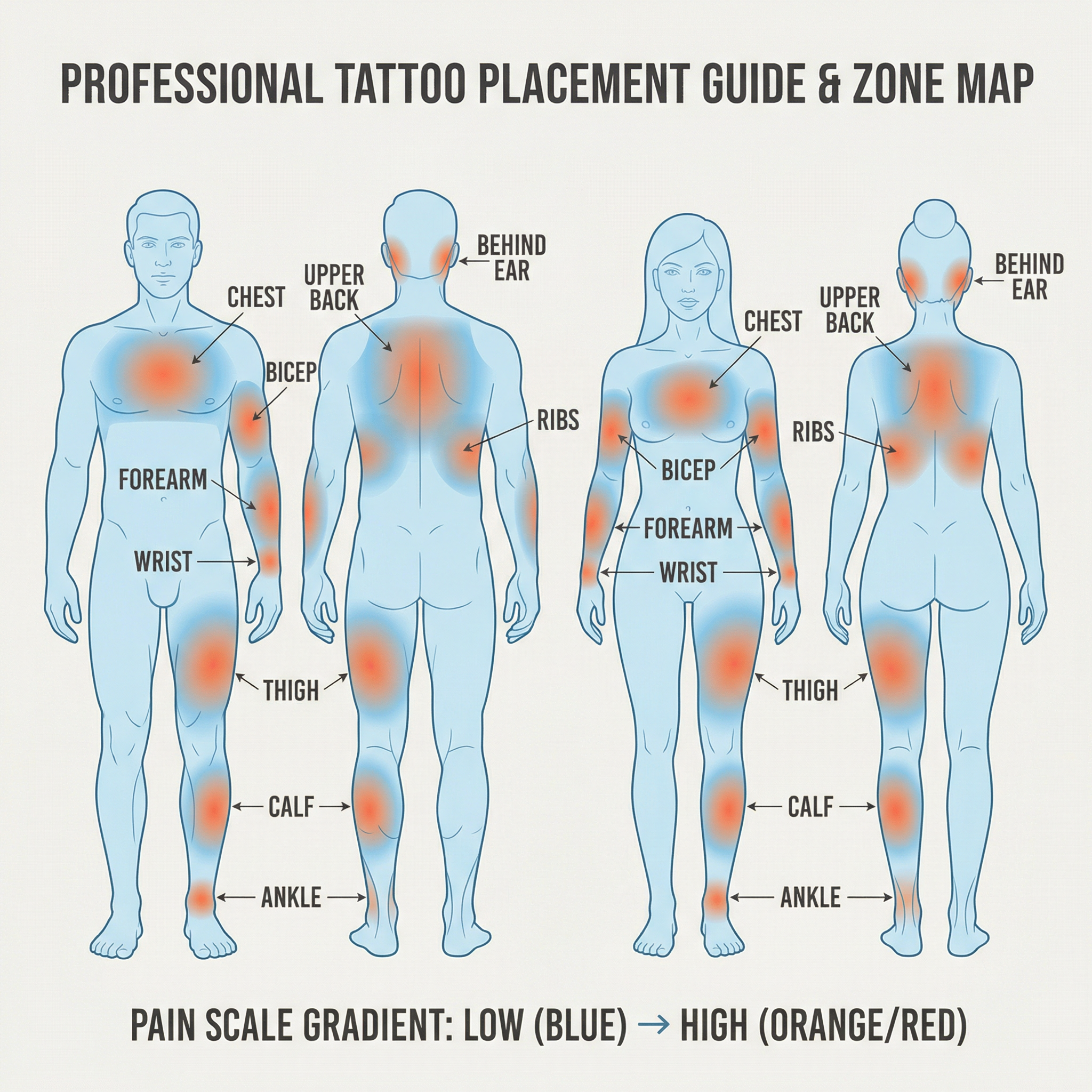
Open full size →
This is the top failure mode. Labs have few silhouette shortcuts, so identity depends on expression. If eye intent and muzzle nuance are lost, the tattoo becomes generic.
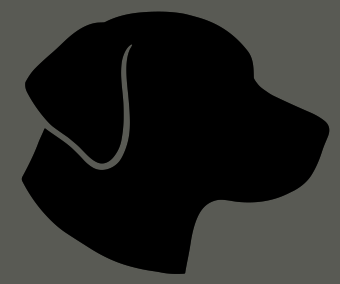
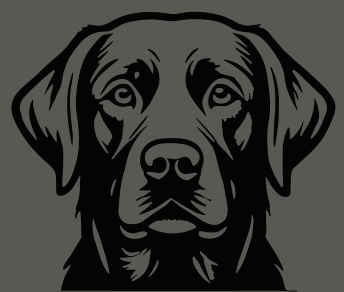
Lab muzzle should read broader and more moderate. Golden muzzles read straighter and more rectangular. Also avoid feathered coat rendering: that pushes the result into Golden territory.
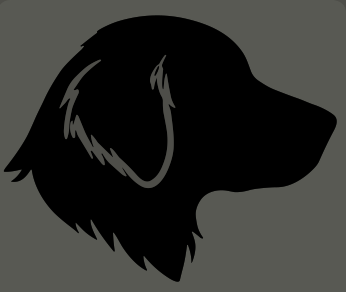
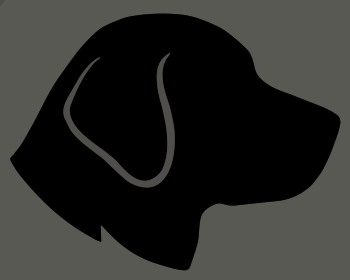
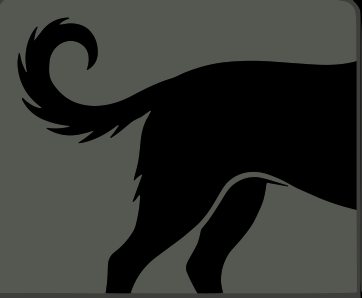
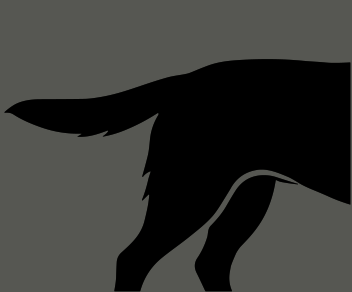
In profile and full-body work, the tail is one of the only strong breed anchors. If rendered thin, wispy, or over-curled, recognizability drops fast.
Black Labs: easiest to push with contrast and blackwork. Keep facial highlights so the portrait keeps depth.
Yellow Labs: widest tonal range. Works in black-and-grey or soft color depending on the exact coat value.
Chocolate Labs: trickiest in pure grayscale. Midtone collapse can flatten likeness unless value planning is deliberate.
Best overall likeness for Labs: clean structure and expressive eyes.
Create in this style →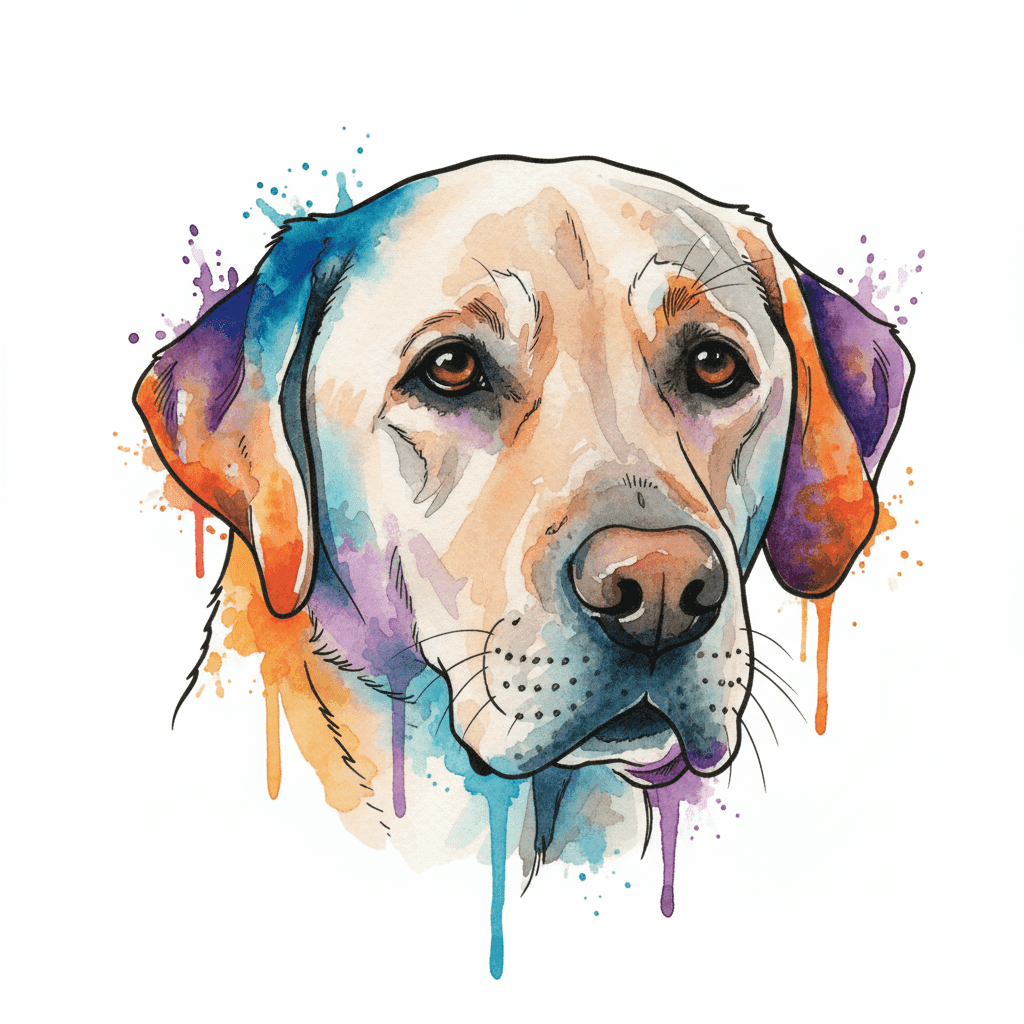
Can work for lighter yellow coats, but often less natural on black/chocolate Labs.
Create in this style →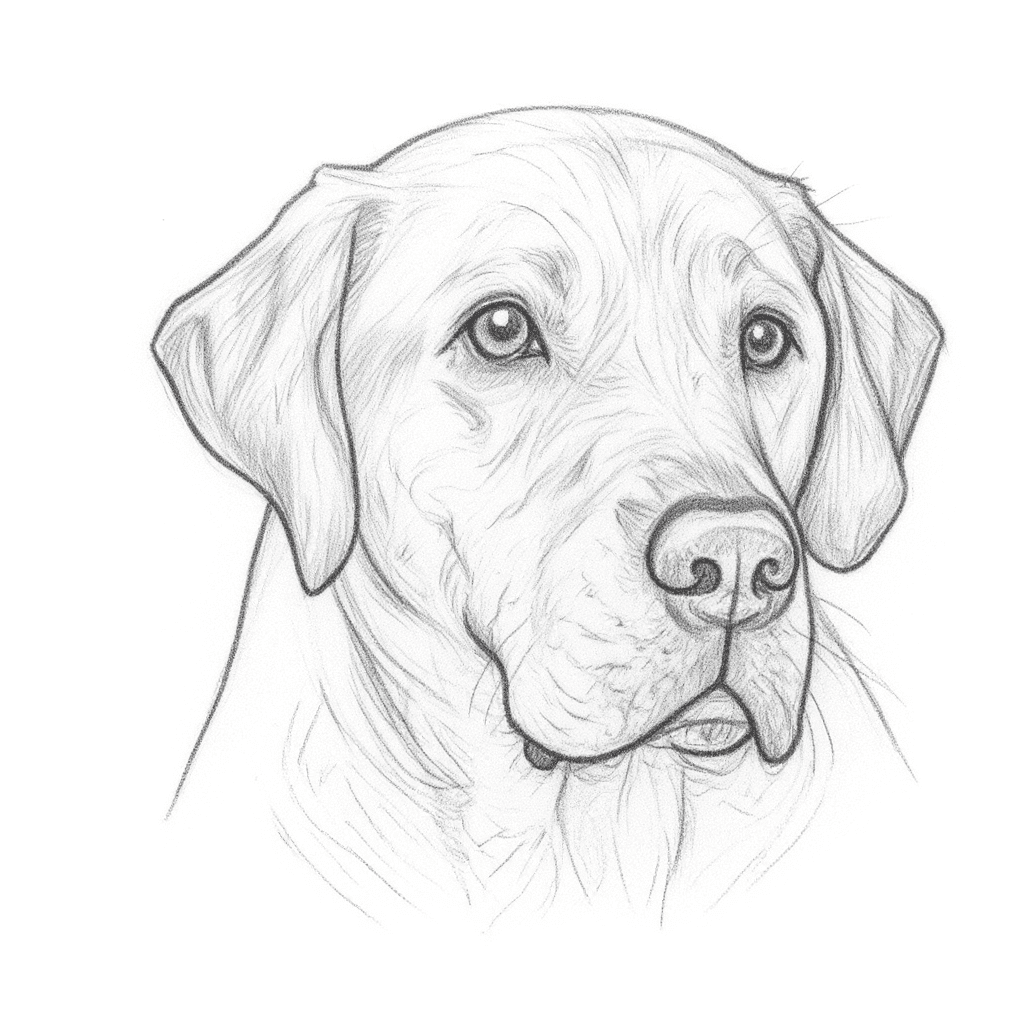
Good for warmth and personality without heavy realism.
Create in this style →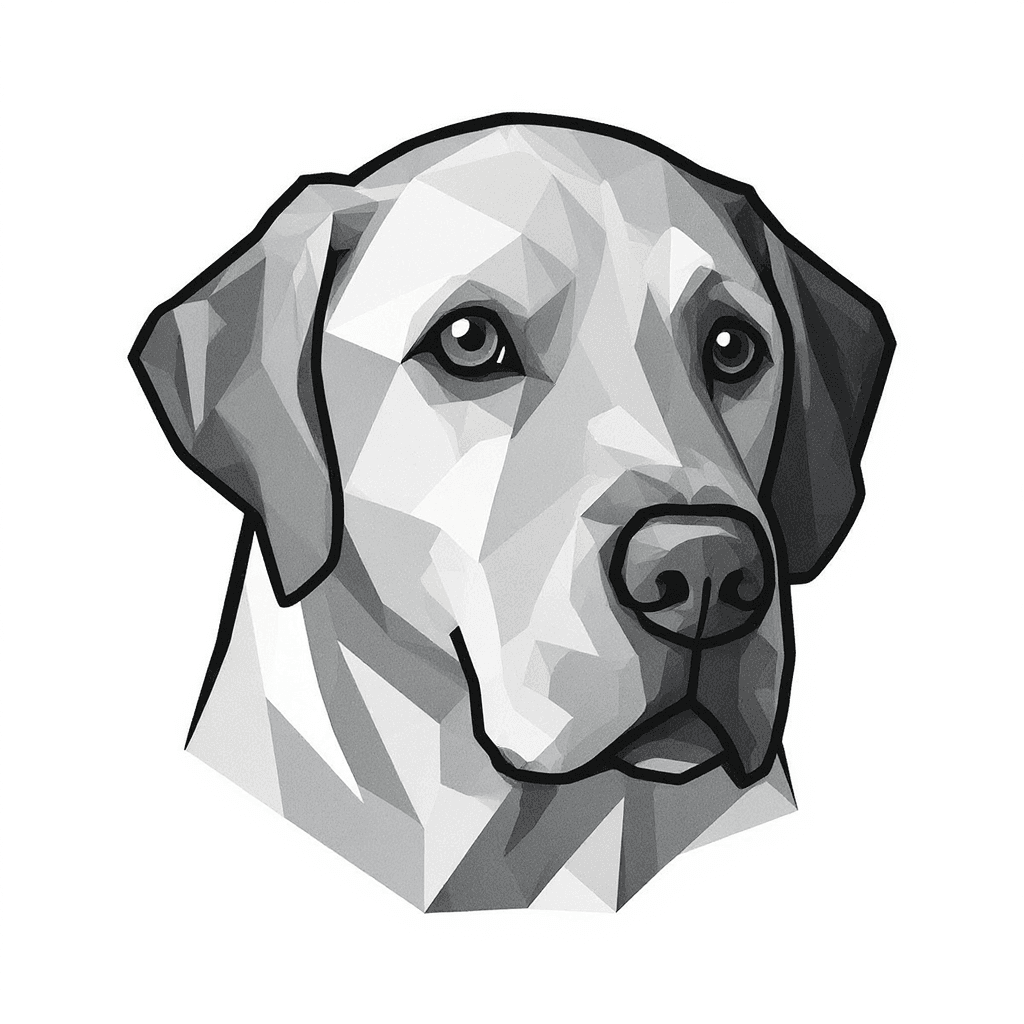
Modern aesthetic; best as a hybrid rather than full angular face.
Create in this style →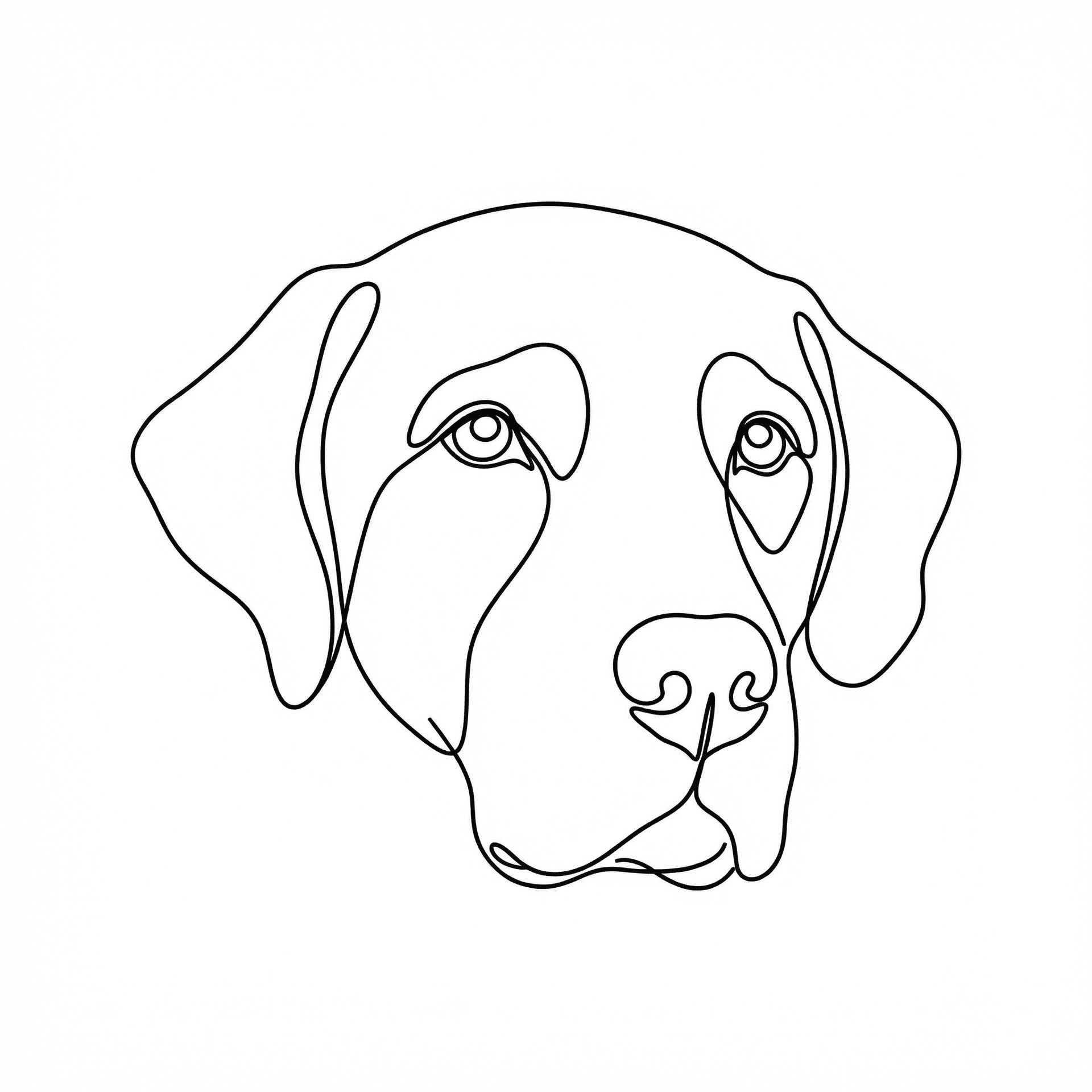
Works if you keep expression and silhouette anchors over coat texture.
Create in this style →High-likeness portrait rendering for memorial pieces.
Create in this style →Labs were there in the ordinary moments that became the most important moments. Memorial work lands best when the face feels alive first, then personal symbols are added lightly.
Walk into the shop with a stencil your artist can trust.